

What Affects Indoor Air Quality After a Home Renovation in Singapore?
21 September 2026
Singapore
Share

Low-formaldehyde boards matter, but paint, adhesives, sealants, flooring and ventilation all affect the air inside a newly renovated home.
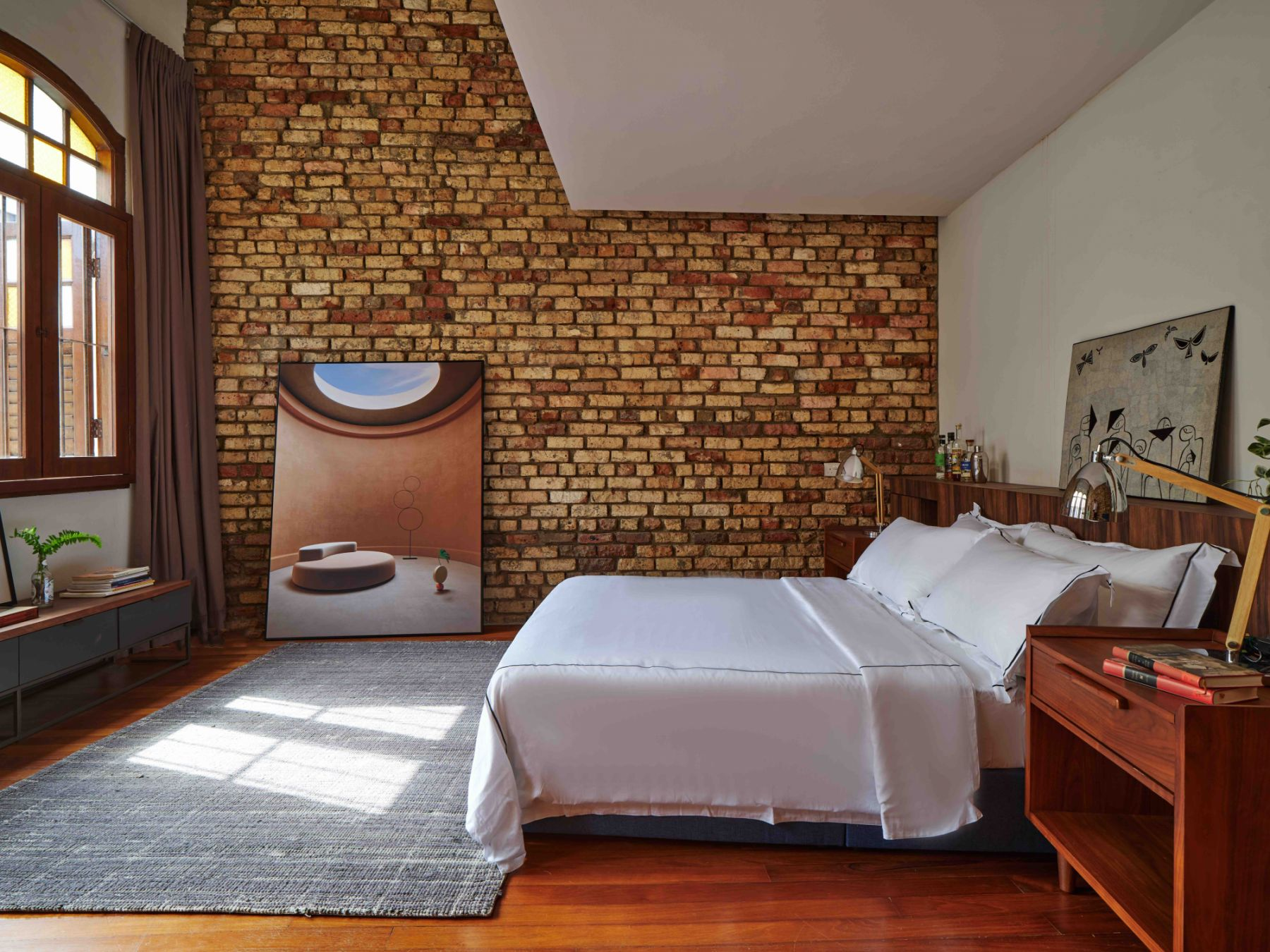
A homeowner asks for E0 boards, checks that the carpentry uses them, and considers the indoor air quality question covered. Then they move in and there may still be a faint smell, or one newly renovated room simply feels different from the rest of the home.
The boards may only be one source.
Indoor air quality after renovation is affected by the combination of materials used throughout the home, including engineered wood, paint, adhesives, sealants and flooring, together with how the space is ventilated during and after construction.
We have written before about why low-formaldehyde boards matter in carpentry. Here, we are looking at everything around the board and what homeowners should consider before approving a material specification.
The same principles apply whether we are working on a landed home, conservation shophouse or private condominium.
What materials affect indoor air quality after renovation?
Engineered boards are only one material to consider. Paint, adhesives, sealants, coatings and some flooring systems can also release formaldehyde or other volatile organic compounds after installation.
E0 is commonly used to describe engineered boards with lower formaldehyde emissions. It is a useful specification, particularly when a home contains a large amount of built-in carpentry, but checking the board alone does not tell you what is being emitted by the materials installed around it.
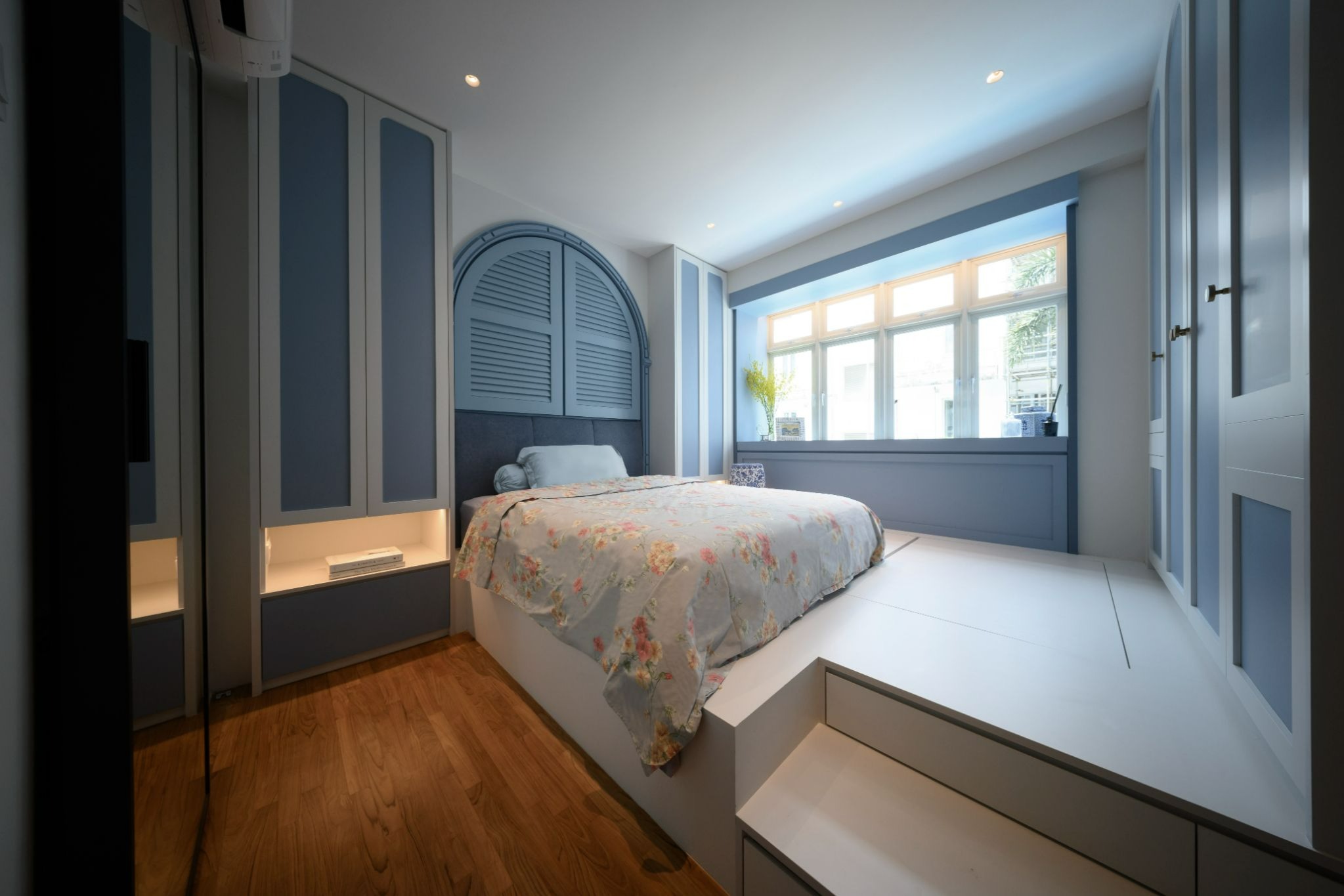
Think about a bedroom with full-height wardrobes. The board matters, but so do the adhesive used to fabricate the cabinetry, the sealant around it, the wall finish, the floor installation system and any coatings applied on site.
One useful local reference is the Singapore Green Building Product certification by the Singapore Green Building Council. Depending on the product category, certification can consider factors such as VOC and formaldehyde performance.
For a homeowner, the practical takeaway is simple: look at the material specification as a whole rather than stopping at the carpentry board.
What changed for interior paints in Singapore?
Singapore tightened its requirements for interior paints from 1 January 2026, prohibiting paints containing formaldehyde at or above the permitted limit from being manufactured, imported or sold locally for interior use.
That is useful progress, but other renovation materials still deserve attention.
Composite wood, adhesives, sealants, coatings and flooring products can have their own emission profiles, so it is still worth asking what products are being used and whether recognised low-emission certification or test documentation is available.
For major renovations, this matters because dozens of different materials can be introduced into the same home within a relatively short period.
Why Singapore's climate matters
Singapore's warm, humid climate makes material selection and ventilation especially important.
Temperature and humidity can influence how some materials release volatile compounds, although the effect varies between products. Newly installed materials also tend to release higher levels of emissions earlier on, with those levels generally reducing over time.
That makes indoor air quality something worth thinking about before construction begins.
A naturally ventilated shophouse, an air-conditioned condominium and a landed home that moves between open and closed environments may all behave differently. The materials, ventilation strategy and way the home will actually be used should therefore be considered together.
Low-emission materials still need proper ventilation
Choosing lower-emission materials helps reduce the sources inside the home, while ventilation helps remove pollutants that have already been released into the air.
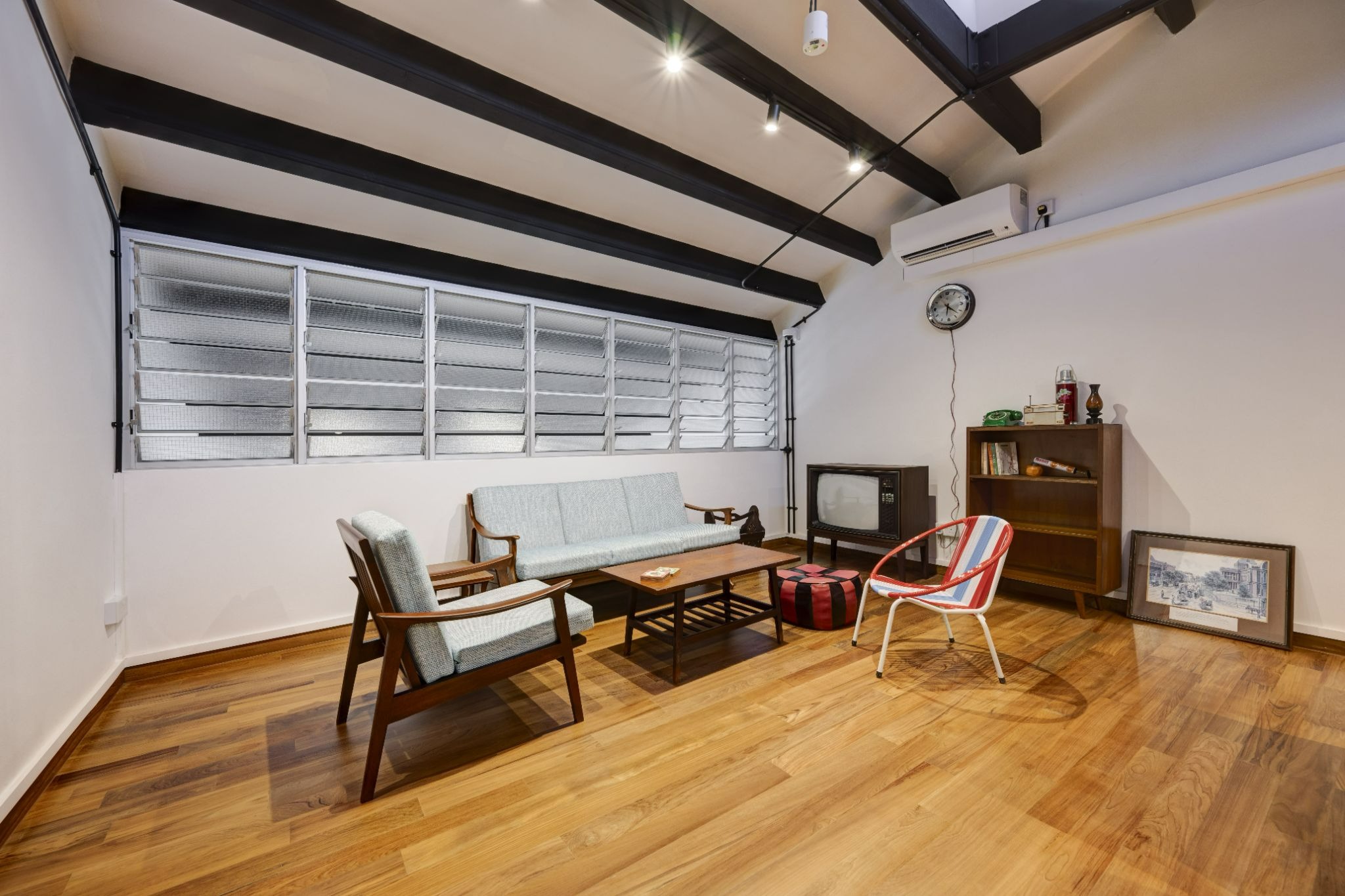
Fresh-air exchange is especially useful during and after installation, when many materials are still relatively new.
For a major renovation, ventilation should ideally be considered as part of the handover timeline. That could mean allowing time for rooms to air before occupancy, opening suitable windows and doors, or using mechanical ventilation where appropriate.
Closing a newly completed room and relying entirely on the material specification can allow pollutants to accumulate indoors.
A healthier material strategy therefore continues beyond the moment a product is selected.
What should homeowners ask for before approving materials?
You do not need to become a chemist to make better decisions. A few practical questions can reveal much more about what is being installed in your home.

Engineered boards
Ask what formaldehyde-emission standard the board has been tested to and whether supporting documentation is available.
Paints and coatings
Look for recognised low-emission or environmental certification where applicable.
Adhesives and sealants
Ask which products will actually be used for carpentry, flooring and installation. These are easy to overlook because many disappear once the project is complete.
Flooring
Consider the full system rather than only the visible surface. Adhesives, backing materials and installation methods can matter too.
Ventilation
Ask how the home will be ventilated during installation and before you move back in.
These questions are most useful before the specification is finalised, when there is still time to compare products and make changes.
How we approach healthier material specifications at LND
At Loren Ng Designs, material selection extends beyond how a finish looks on a mood board.
For our projects, we specify lower-emission boards for carpentry and consider the adhesives, coatings and installation materials used around them. Where relevant, we also look for recognised environmental certification and supporting product information.
Ventilation and the condition of the completed home are considered as part of the renovation process as well. Where appropriate, we can carry out formaldehyde meter testing as an additional check before handover.
This is particularly important in bedrooms and other spaces where homeowners spend long periods of time.
The result is a more considered material specification, where appearance, performance, maintenance and indoor environment are reviewed together.
Planning a major home renovation in Singapore?
Material choices shape more than the final look of a home. Boards, finishes, adhesives, coatings, flooring and installation methods all become part of the environment you will live in after the renovation is complete.
At Loren Ng Designs, we handle design, construction and bespoke carpentry as one accountable team, allowing those decisions to be considered throughout the project rather than separately.
Ready to discuss your renovation? Book a consultation with us →
📩 ask@lorenngdesigns.com
📷 @loren_ng_designs
Posted by:


BACK TO BLOG
You Might Also Like
.png)