


What To Keep, Replace, and Cover Up When You Renovate A Singapore Shophouse
29 June 2026
Singapore
Share

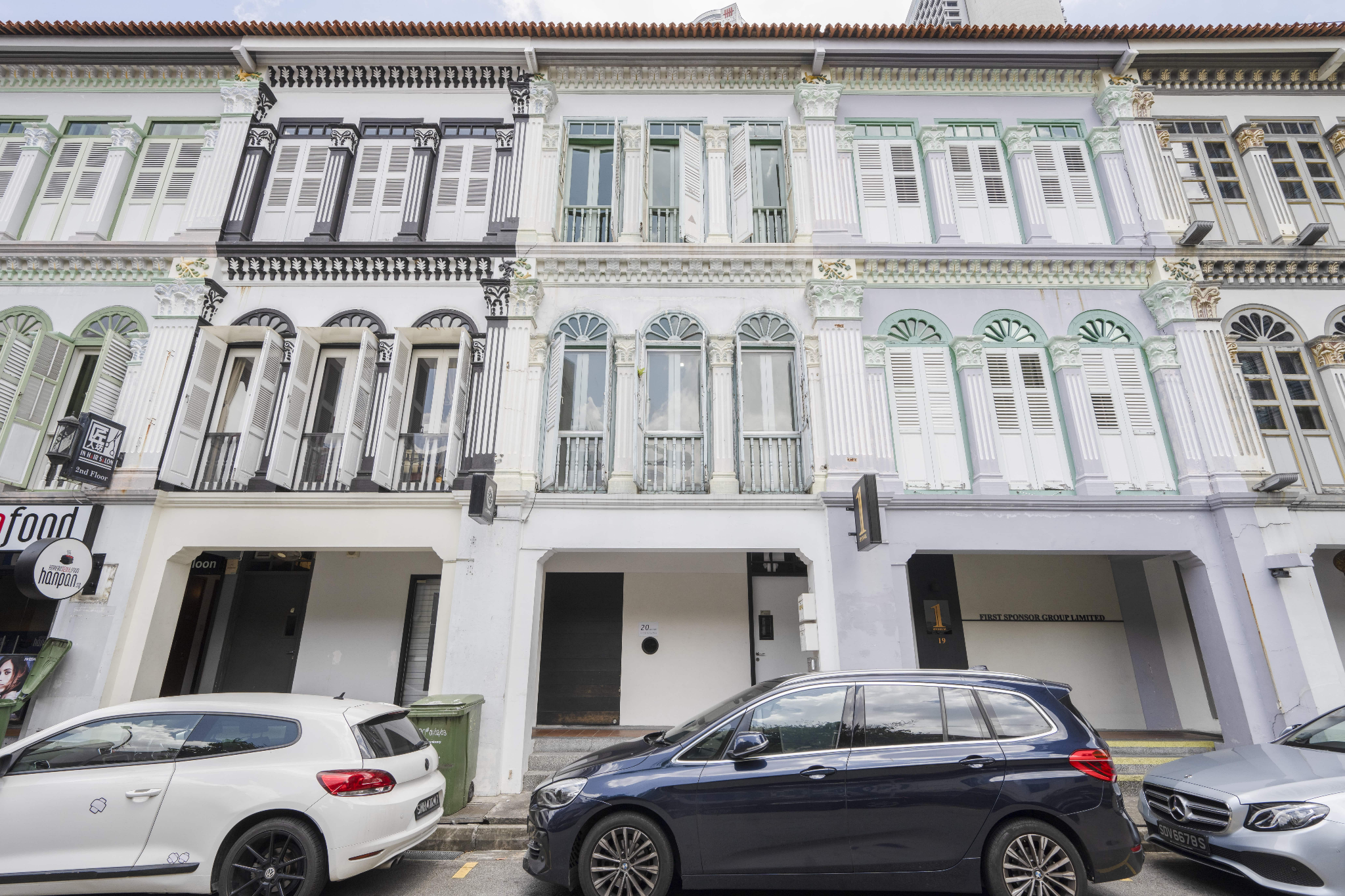
A client hired us to renovate a unit she had just bought inside a conservation shophouse. She gave me one clear instruction. She wanted the old timber ceiling left open, with the beams on show. That kind of detail looks great in photos. It tells you the building has history the moment you walk in.
Then we opened the ceiling up, and the picture changed fast. Wires ran across the beams in every direction. We could follow a few of them. Most ran off into hidden spaces that served the other floors of the building. She did not own those floors, so we were not allowed to touch them. Half of those wires, no one could explain at all.
So I told her to do the opposite of what she had asked. I said we should build a false ceiling. That gave us one clean surface, room to run all the new wiring safely in the gap above, and the freedom to place lights where the room actually needed them. She pushed back, which was fair. But she trusted me. In the end, that ceiling was the first thing she showed off when she walked guests through the finished home.
That choice was never about taste. It was about what the ceiling was hiding.
Why keeping everything old is risky
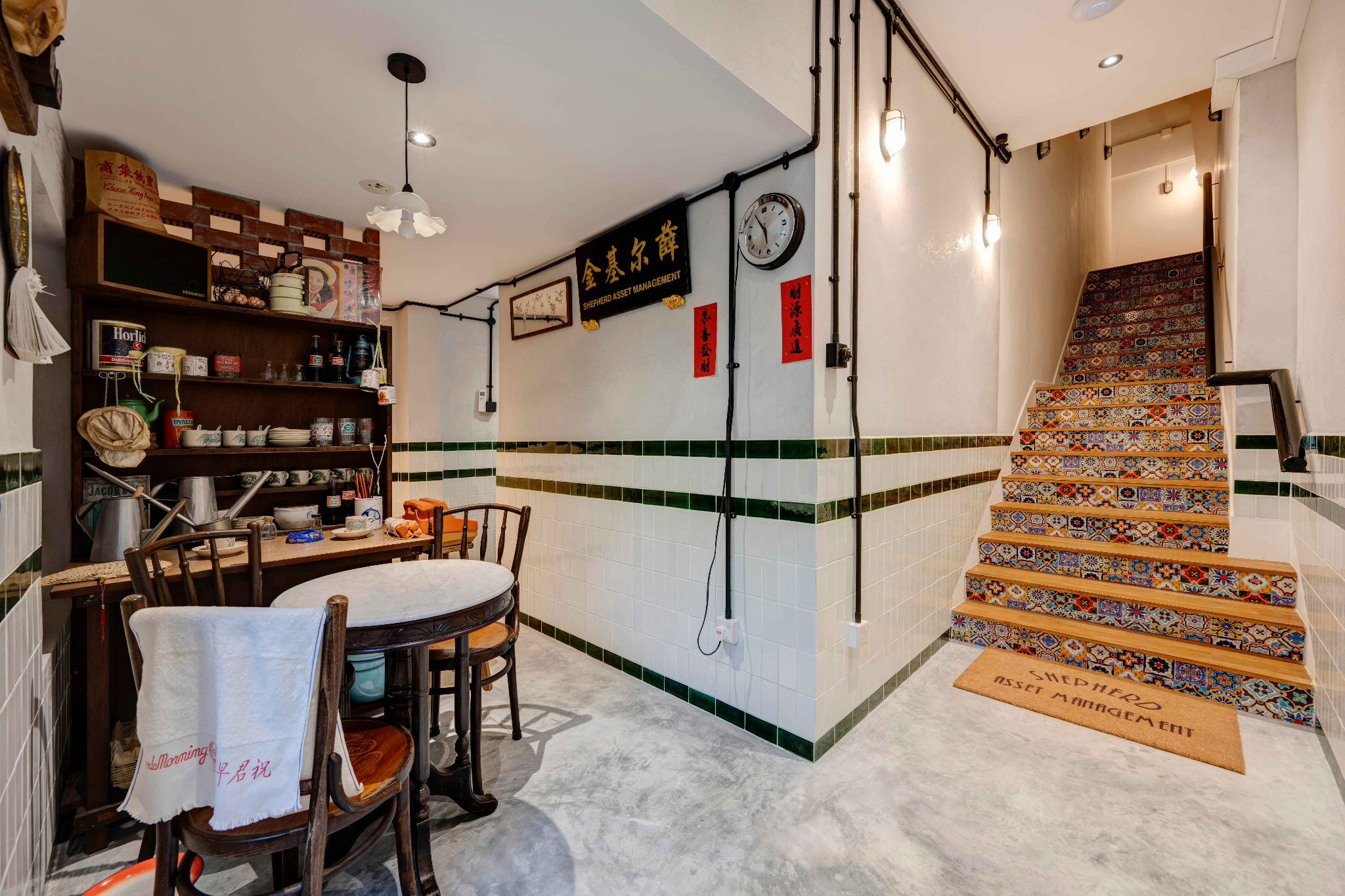
A conservation shophouse in Singapore holds more than 100 years of changes. Each owner left a mark. There is the first build, then the repairs, the add-ons, the quick fixes, and the work tenants did with no approval at all. Some of what sits behind the walls and above the ceiling is from the very first build. Some came in the 1970s. Some of it, no one can explain.
URA sorts shophouses into three categories. Category 1 means you must keep both the inside and the outside the way they were. Category 2 protects the front facade only. Category 3 lets you change more inside, as long as the facade stays. We explained the full set of rules, and what they mean for a shophouse renovation, in The Importance of Preserving the Historical Shophouses of Singapore — Part 1.
These categories tell you which parts the law protects. They do not tell you what is worth keeping inside your own unit. Only a site check can tell you that. A building this old always holds two things at once: parts worth saving, and parts that just piled up over the years with no real thought behind them. They sit right next to each other. Wanting to save everything old sounds responsible. In real life, it means you save the problems too.
What is actually worth keeping
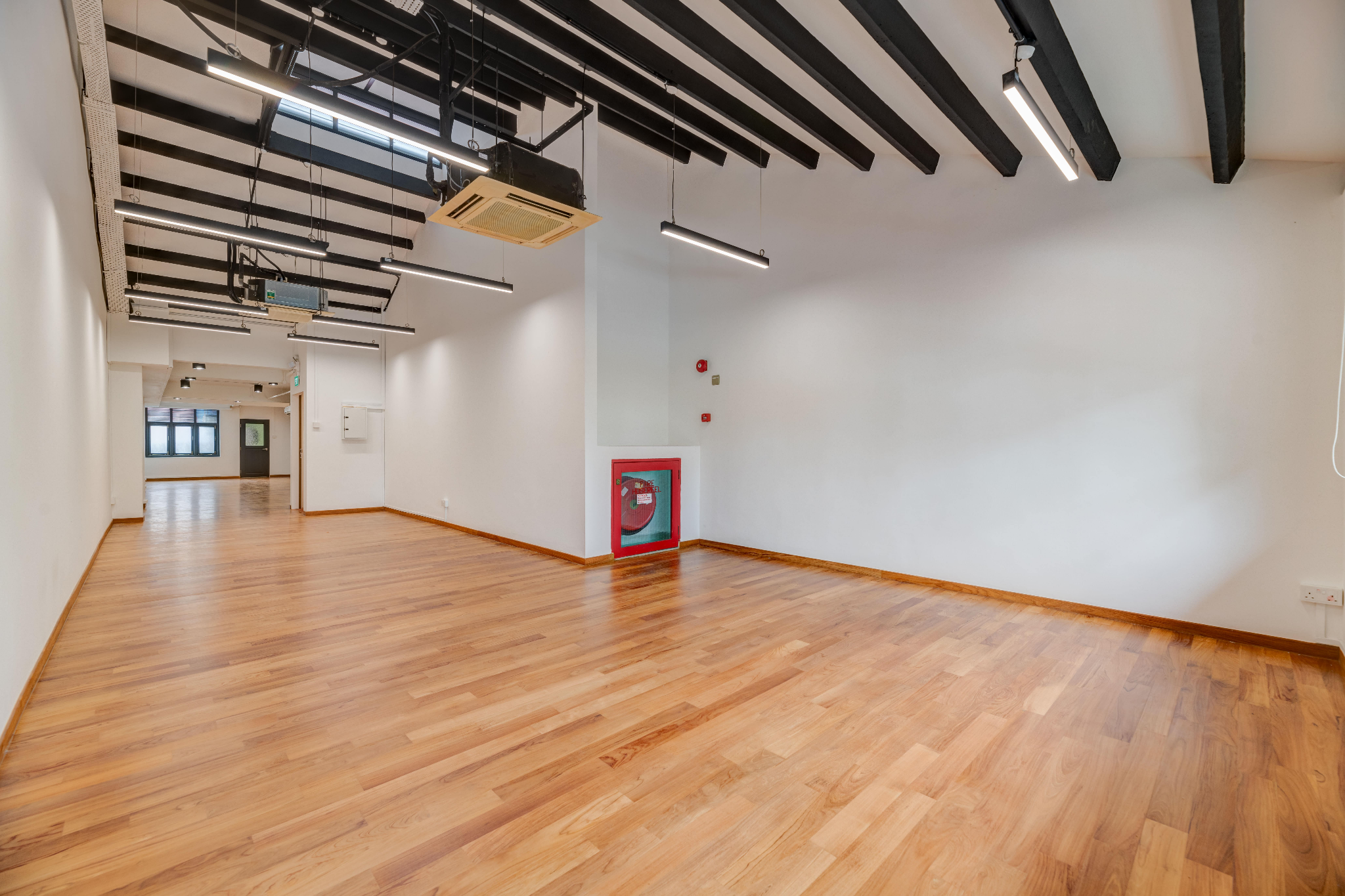
Old material earns its place when it is still strong, you can still read it for what it is, and it ties the building to its time. Heavy timber beams, old flooring, carved panels, ceramic and majolica tiles, and facade details all do this. They hold the memory of the building. Many old Singapore shophouses used timber from hardwood trees you cannot buy anymore. That wood is denser and older than anything you could put in today, and you cannot fake it.
So the question is rarely whether a part is worth keeping. It usually is. The question is whether it is in good enough shape to keep, and whether the things around it help it or fight it.
How to tell what is old from what just piled up
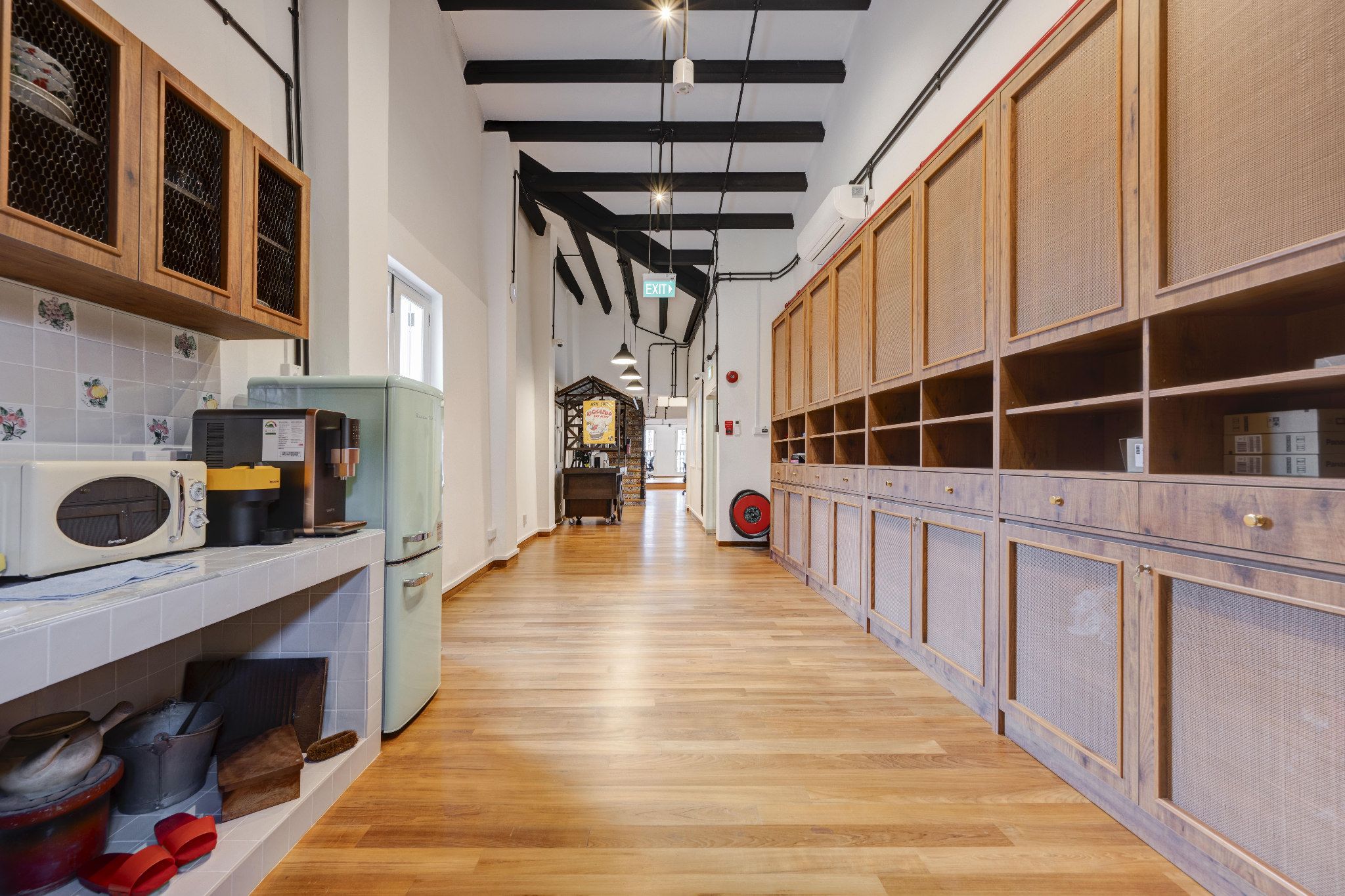
A 100-year-old shophouse is rarely left alone for long. Owners and tenants come and go, and things build up. You get wiring from three different decades, pipes moved without anyone opening the walls properly, paint on top of paint on top of old plaster, and wire trunking screwed straight onto surfaces that used to look clean. Some things that look old are not. Some things that look new are actually holding the building up.
The way to tell them apart is to read the material itself. Old timber is darker and denser, with a grain and a worn shine that new timber does not have. Plaster from the first build has a different mix and shape than the patches added later. Old wiring is the clearest sign of all: rubber-covered copper cable from before the 1970s looks and acts nothing like the rubber-covered copper cable put in during the 1980s and 1990s.
These layers are more than an eyesore. Thick old paint on timber joinery traps water and speeds up rot. Wire trunking screwed across an old surface leaves holes you cannot hide without harming the surface underneath. So before you save anything, you need to know what piled up, and what it has already done to the parts worth keeping.
What the site check is looking for
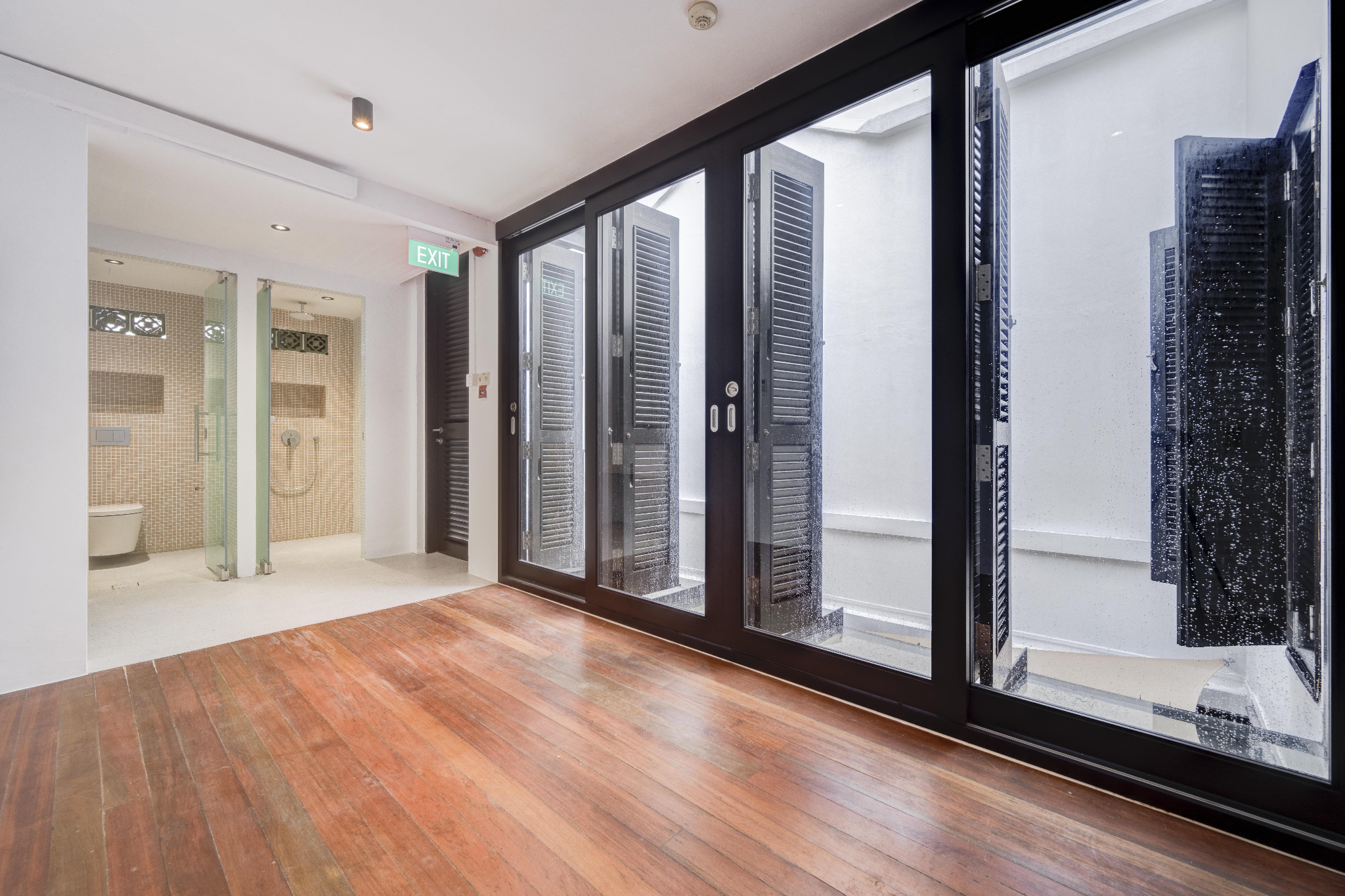
Before you lock in any design choice, three things have to be confirmed on site.
The first is structure. You need to know what is original, what was changed, and how strong the load-bearing parts still are after 100 years of use. A wall that looks easy to move is often a party wall you cannot touch. Some openings were cut with no proper calculations, so you cannot trust them in a new layout.
The second is services. You need to know where the power, water, and air systems run, who owns them, and whether you can reach them. When different floors have different owners, some of the services running through your unit belong to a neighbour, and you cannot move those. If they run through the ceiling you wanted to keep open, that ceiling may need to be covered up no matter how good it looks.
The third is materials. You need to know what sits behind the surfaces. Asbestos in old plaster is common in Singapore conservation buildings, and it has to be removed and thrown out the right way before anything else starts. Old finishes hidden under paint can sometimes be saved. Sometimes they cannot.
These three checks decide what the renovation can really do. The design comes after them, not before. We explained why this order matters so much in Why Planning Ahead Determines 90% of Your Renovation Success.
What it looks like to cover something up well
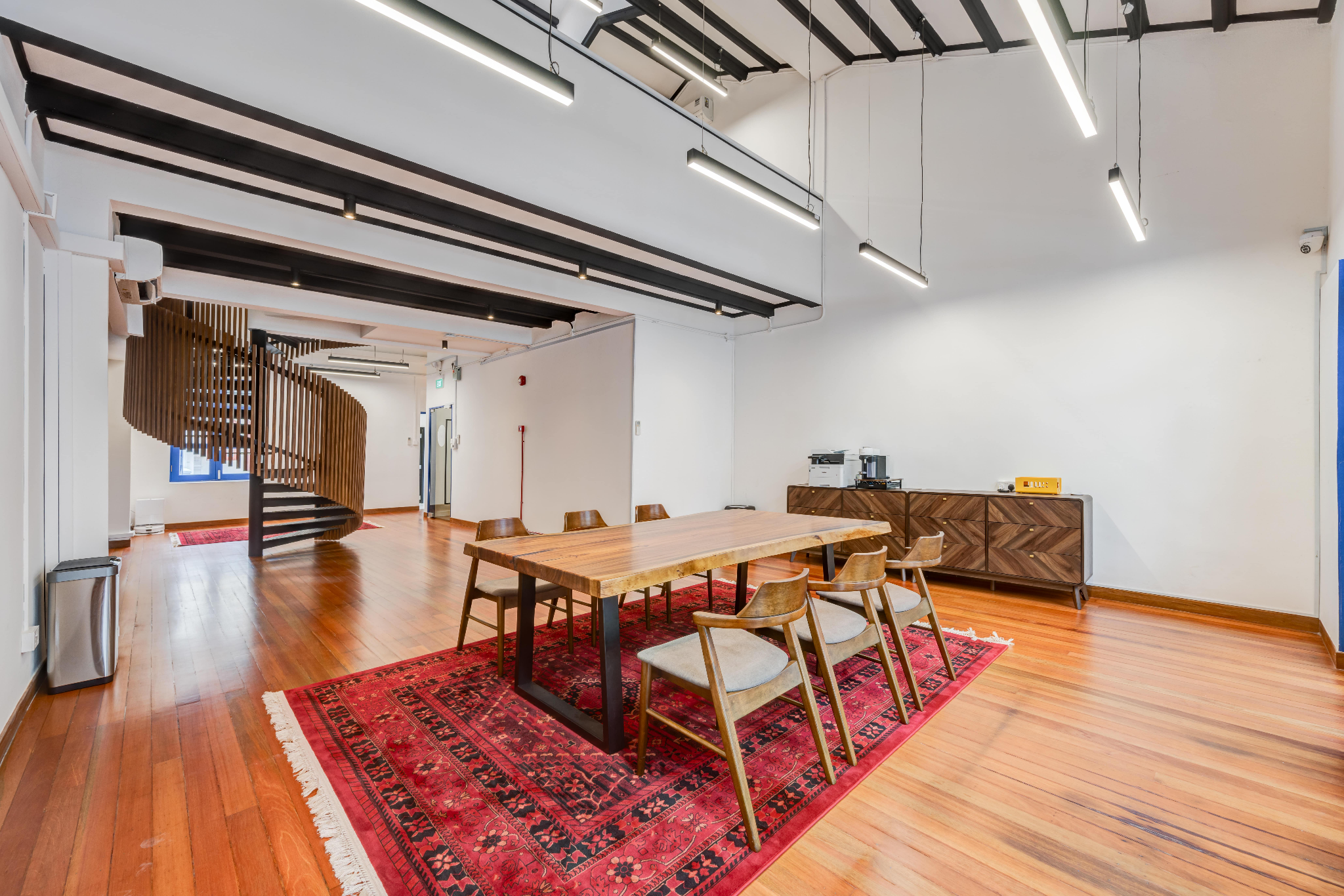
Covering up a ceiling or a wall is not the opposite of restoring it. Done right, a good false ceiling beats a badly done open ceiling. A covered surface that looks clean and planned says more about the work than an old surface left looking messy.
If you choose to cover something, give it the same care you would give a surface you leave open. Height matters: a false ceiling that hangs too low in a room with little head height throws off the whole shape of the room, and that does not photograph well or rent well. The type of ceiling matters too, since a flat plasterboard finish looks very different from a coffered ceiling or a shadow-gap detail. And the lighting matters most. The gap above a false ceiling is your chance to place light right where the room needs it.
That is what the false ceiling did in the project I started with. It let us run the new services cleanly in the gap above, even out a ceiling height that had been uneven for years, and set the lights to suit the room instead of the old wiring. What the tenant sees now is a room where every choice looks planned. In a luxury shophouse renovation in Singapore, that is what makes the rent fair. An asset-grade fit-out should never look thrown together.
What you find once the mess is gone

Covering up is not always the answer. In many shophouses, the right move after the check is to restore what is already there, because now you are deciding from what you found instead of from a guess.
When the wire trunking comes off, the paint is stripped back, and the bad plaster is cut out and redone, the old material finally shows itself. Timber beams buried under years of paint show their real grain and weight. Flooring hidden under cement screed or vinyl can be in far better shape than anyone expected. Surfaces that look tired start to look warm and solid once the clutter around them is gone.
If you have bought a conservation shophouse and want to know what the renovation can really do before any design work starts, that is a conversation worth having before any contractor sets foot on site.
📩 ask@lorenngdesigns.com
📷 @loren_ng_designs
Posted by:


BACK TO BLOG
You Might Also Like
.png)